Where hope meets healing
Healing is more than symptom relief.
It is the work of restoring balance to the mind, body, emotions, and spirit. My goal is to help you move beyond surviving, toward living with greater peace, resilience, and purpose.
If you are struggling with an eating disorder, trauma, grief, anxiety, depression, or a major life transition, you do not have to face it alone. I offer a safe space where you will be heard, understood, and respected.
Hope is real. Healing is possible.
What brings people here
You may recognize yourself in one of these.
These are the concerns I work with most often. If what brought you here is not on this list, reach out anyway and we can talk about whether I am the right fit.
Eating disorders
Food, exercise, or your body takes up more of your day than you want it to, and the effort to manage it is exhausting.
Trauma recovery
Something happened, and your mind and body are still responding to it long after it ended.
Grief and bereavement
You are carrying a loss that the people around you seem to think you should be past by now.
Anxiety and depression
It has changed how you sleep, how you work, and how present you can be with the people you love.
Life transitions
A divorce, a move, a career change, retirement, an empty house. The ground shifted and you are still finding your footing.
Women’s issues
The particular pressures, transitions, and expectations that shape women’s lives at every stage.
Relationships and family
The same patterns keep repeating, and from the inside it is hard to see how they started or how they end.
Stress and personal growth
You are functioning, but running on empty. Or nothing is wrong exactly, and you want to understand yourself better.
What to expect
How the work actually goes.
We start with a conversation
An initial consultation, no commitment. You tell me what is going on. I explain how I work, what it costs, and how scheduling runs. Then we decide together whether I am the right fit for you.
Your plan is yours
I do not work from a single therapeutic model. I draw on evidence-based, trauma-informed, and whole-person therapies, then shape a plan around your history and what you want to change. The pace is yours.
You get a team, not just a therapist
For eating disorders especially, recovery works best when everyone is aligned. I coordinate with your physician, dietitian, and family therapist so you are not the one holding it all together.
The practical details
Where I practice, and what it costs.
Virtual psychotherapy
My practice is fully virtual. I see adult clients by secure telehealth, so you can meet from anywhere you have privacy and a stable connection. I am licensed to see clients who reside in:
- Delaware
- District of Columbia
- Florida
- New Jersey
- South Carolina
- Virginia
Fees and payment
My services are self-pay, with several payment options available. I provide monthly statements you can submit to your insurance company for any reimbursement your policy may cover. Reimbursement depends on your policy, and I cannot guarantee it.
Ponte Vedra, FL 32082
Who you would be working with
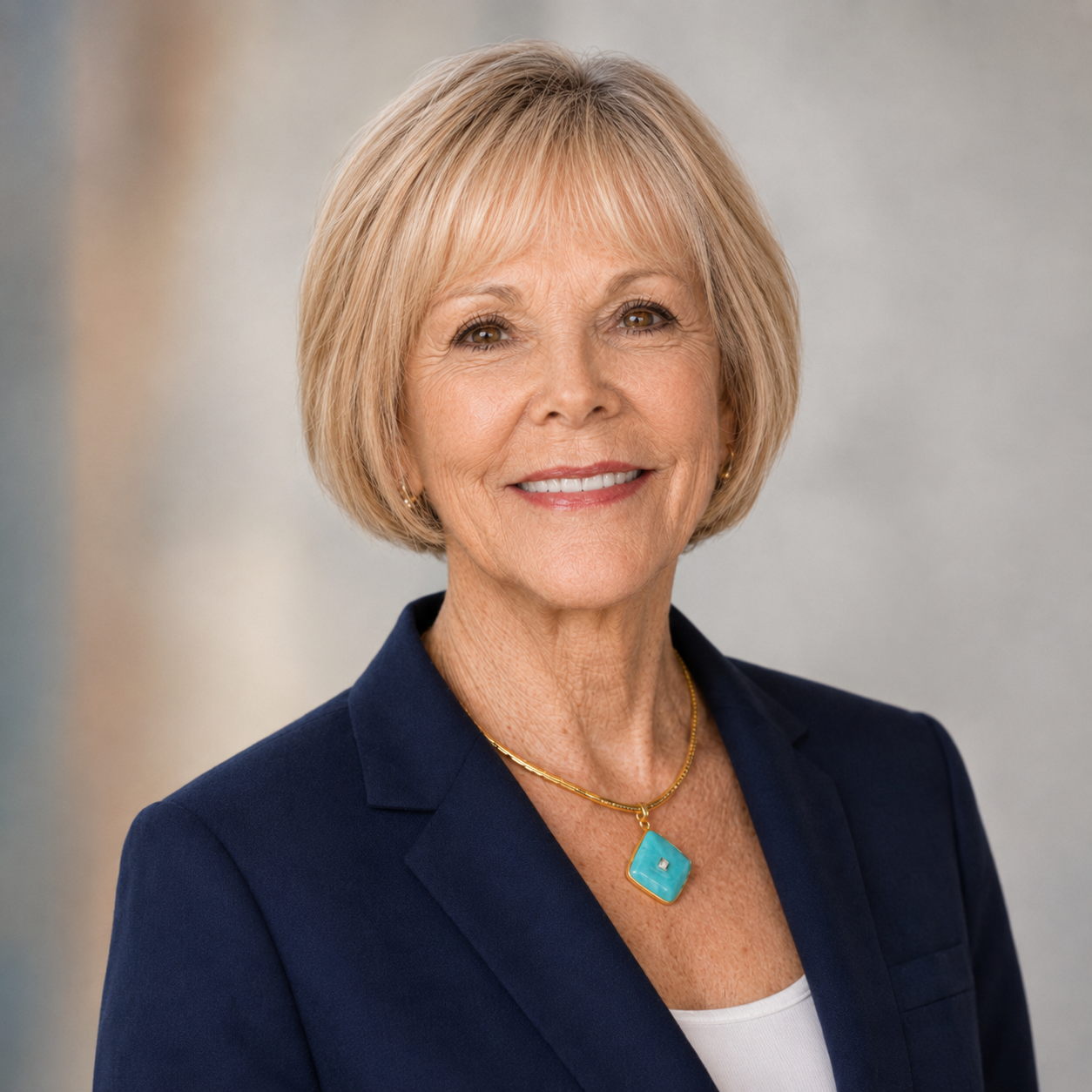
Dr. Martha Ireland
I am both an advanced psychiatric nurse and a psychotherapist, which is a rarer combination than it sounds.
It means I work from how closely physical health and emotional health are tied together, and in eating disorder and trauma treatment that changes everything. With forty years of practice, I know how these conditions behave over time, not just how they present in a first session. I have treated adults by telehealth since 2009, well before most practices offered it.
Read my full background
Training and licensure
I hold a doctorate in pastoral psychology and am licensed as a registered nurse and psychiatric clinical nurse specialist. I specialize in the treatment of eating disorders, work from a trauma-informed approach, and have practiced by telehealth since 2009. I supervise other clinicians on their eating disorder cases. I am licensed to see clients residing in Delaware, the District of Columbia, Florida, New Jersey, South Carolina, and Virginia.
Why the two halves matter
Most therapists are trained in the mind. Most nurses are trained in the body. Eating disorders and trauma live in both at once, and treating one without understanding the other tends to stall. My nursing background means I can read what is happening physically, ask a physician the right question, and recognize when a symptom is medical rather than psychological. That shapes how I work every day.
Four decades of practice
I have worked with adults across every level of eating disorder care, from outpatient therapy through residential and medical stabilization. Long enough to know how these conditions behave over years, not just how they present in a first session. I began treating clients by telehealth in 2009, well before most practices offered it, so the virtual format is not something I adapted to recently.
Working with other clinicians
I supervise other therapists on their eating disorder cases and consult with treatment teams. If you are a clinician seeking supervision or consultation, please get in touch.
From referring clinicians
What colleagues say.
Eating disorder and trauma treatment works best with a team. These are the physicians, dietitians, and therapists who refer to me and work alongside me.
“Dr. Ireland is a compassionate and determined therapist who is dedicated to the care of her clients. Whenever a client came to see me who was under the care of Dr. Ireland for therapy, I took comfort in knowing that the client would be receiving excellent individual therapy.”
“I find her to be an invaluable part of a comprehensive treatment team for eating disorders. Unlike many other health professionals, Dr. Ireland communicates on a regular basis with the entire treatment team, making sure her patient receives the best care.”
“Dr. Ireland’s expertise, competence, and dynamic knowledge base create a standard of clinical work that established her as one of the most reputable eating disorder clinicians in the area.”
Getting started
Reaching out takes courage.
Whether this is your first experience with therapy or you are returning after time away, you deserve compassionate care and a therapist who listens closely. If you are ready to begin, I would welcome the conversation.
Hope is the beginning of healing. Together we can build upon your strengths, deepen your resilience, and create meaningful, lasting change, one step at a time.
Dr. Martha Ireland